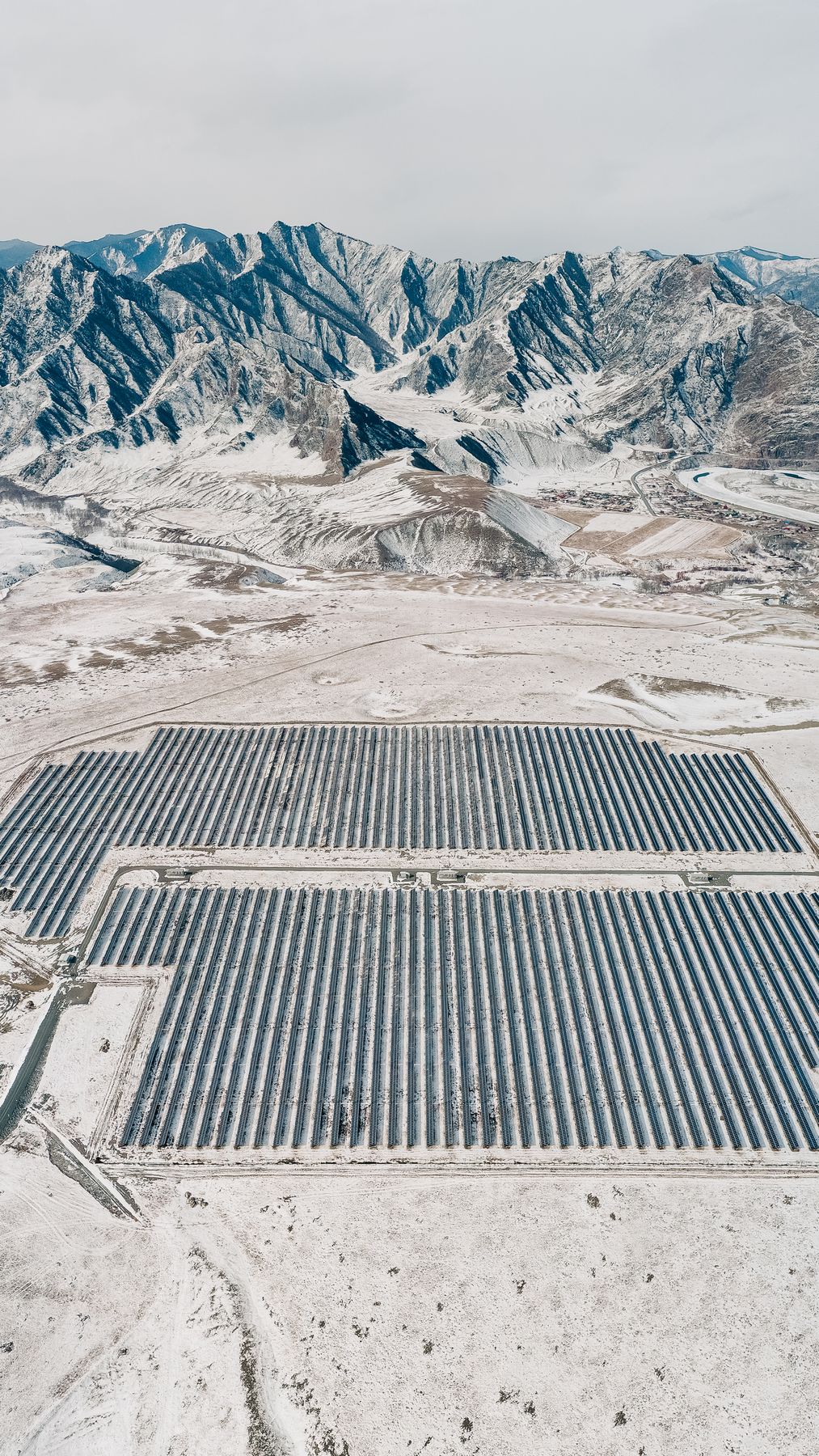
The Spanish sun lights up the future
A calm analysis of the road towards a decarbonised Spain by 2030 and the technological progress of Iberian agriculture.
The world is changing and natural resources are running low. Spain, as a Mediterranean country, lives the consequences of global warming with particular intensity: longer heat waves, droughts that affect orchards and extensive livestock farming, and a fragile balance between economic development and protection of the territory. The transition towards new energy sources is therefore not a luxury, but a responsibility shared with the next generations.
Global warming: a reality for Iberia
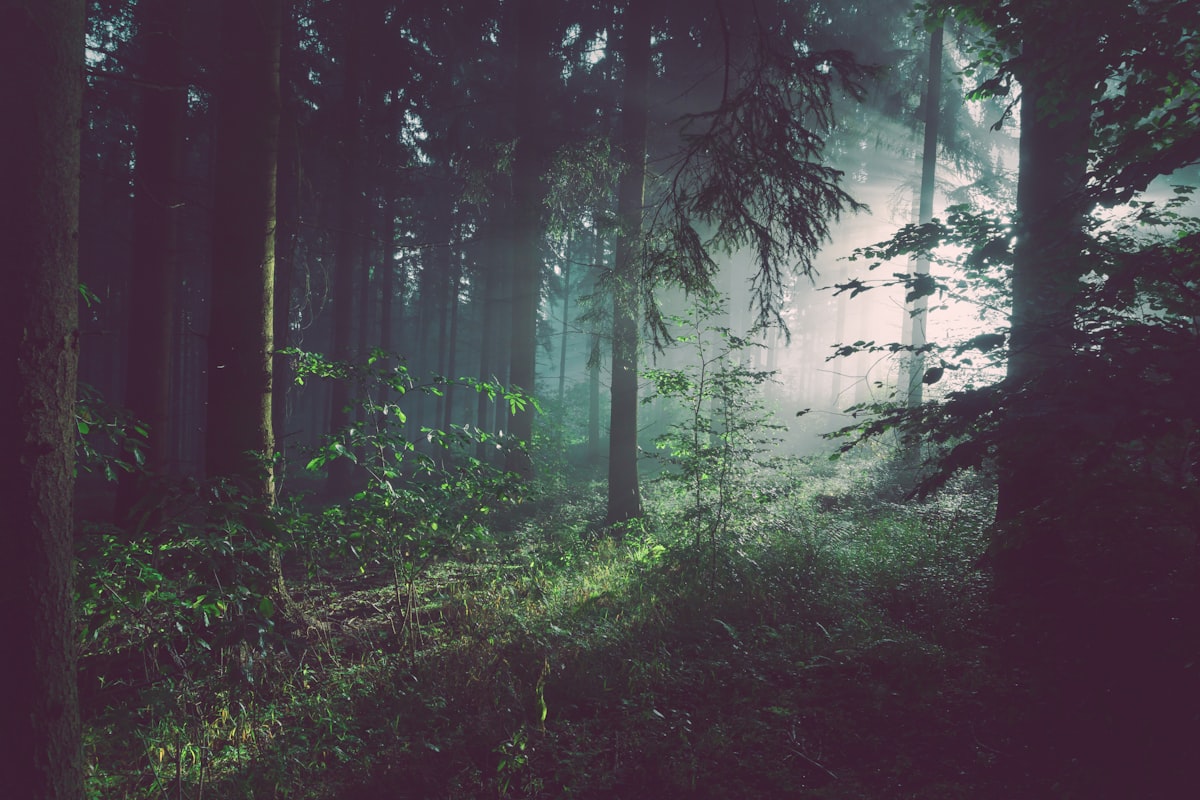
The latest reports from the Ministry for the Ecological Transition and the State Meteorological Agency confirm that the average temperature in the Peninsula has risen steadily over the last four decades. The protection of Mediterranean forests, the conservation of water and the reduction of emissions are now central elements of the public debate. For citizens, clear and verified information becomes an essential tool: understanding the problem is the first step towards the development of collective solutions.
Spain's role in renewable energies
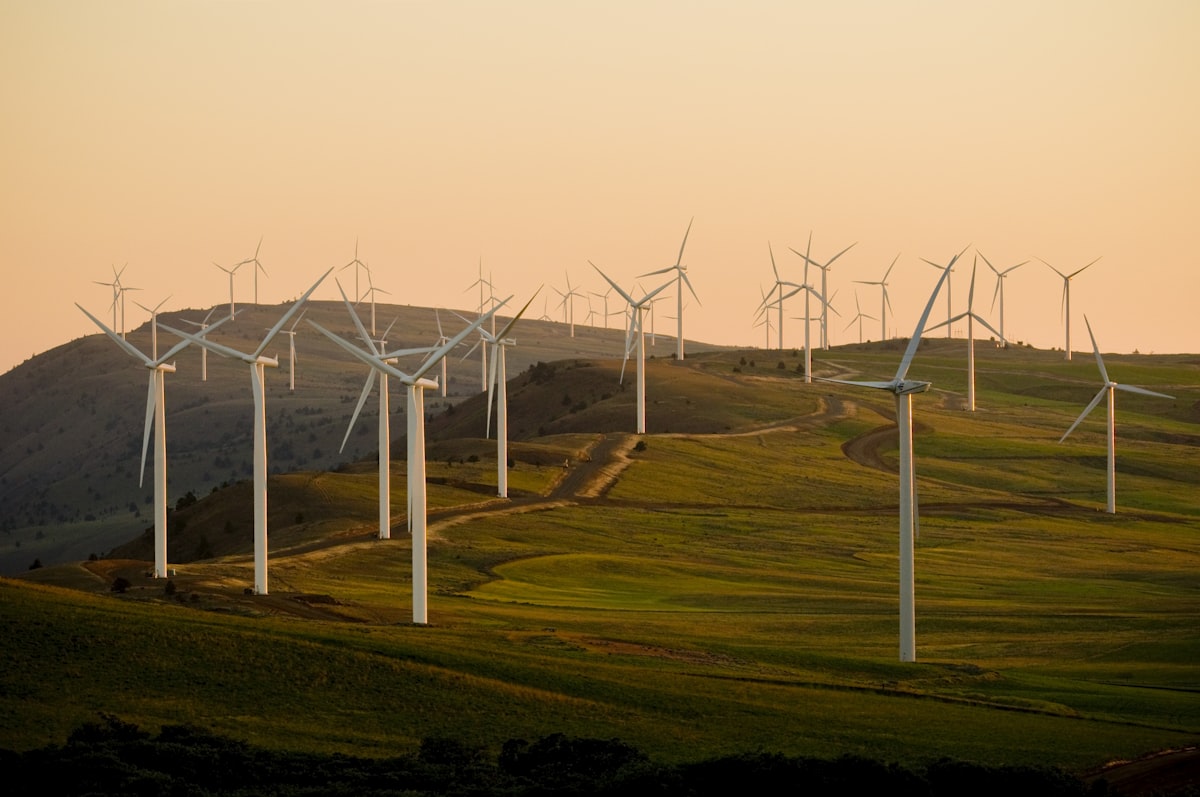
Spain is one of the European countries with the greatest solar and wind potential. Spanish energy companies work together with universities, regional administrations and rural cooperatives to expand the network of photovoltaic farms in Andalucía, Extremadura and Castilla-La Mancha, as well as onshore and offshore wind farms in Galicia, Aragón and the Cantabrian coast. The national target for 2030 envisages that renewables will provide at least 81% of electricity generation.
This development is accompanied by energy-efficiency programmes for homes, schools and small municipalities. The protection of the landscape, respect for local communities and the integration of fauna and flora are essential requirements for any serious project.
The future of agriculture: Agriculture 5.0
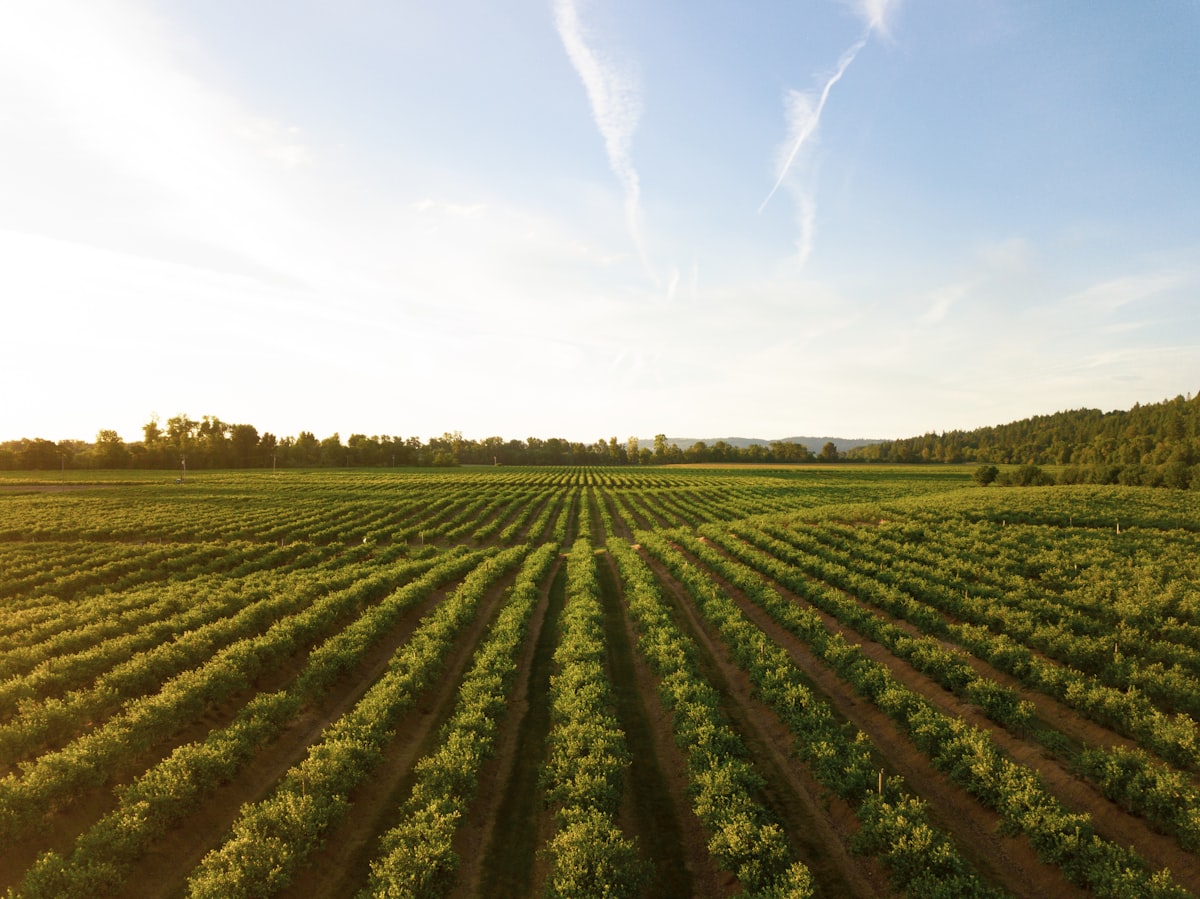
Agriculture 5.0 combines tradition and technology. Connected sensors, local weather stations, drones for crop monitoring and open data make it possible to reduce water consumption, optimise the use of fertilisers and protect soil health. The Extremaduran dehesa, the olive groves of Jaén and the Valencian orchard benefit from these tools, always with a focus on sustainable development, the protection of biodiversity and the quality of products.
Keep reading our weekly newsletter to discover, week by week, how professionals, researchers and neighbours are building, step by step, a cleaner, fairer and more lively Spain for our children.